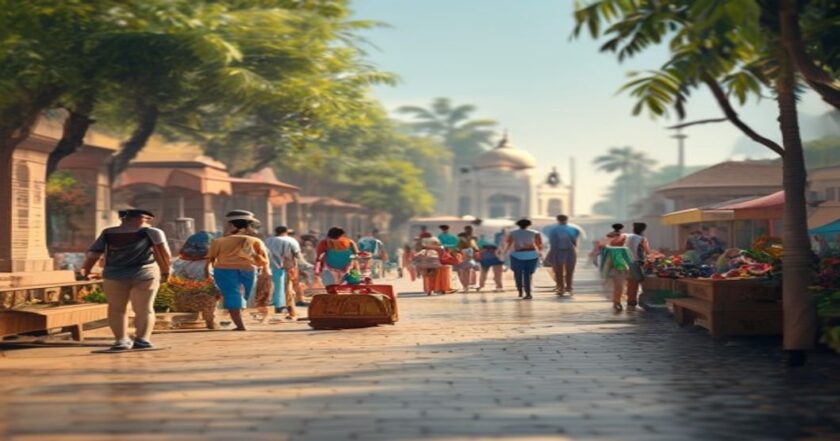

If you’ve ever wanted to see the Spanish coast without elbow-to-elbow sand or shoulder-to-shoulder tapas bars, 2026 is your year. Travel isn’t just shifting toward fewer crowds anymore, it’s shifting toward richer experiences. Think quiet villages where the only footprints in the sand belong to you. Cudillero in northern Spain fits that bill perfectly: colorful houses cling to cliffs that plunge straight into the Bay of Biscay, and the harbor still smells like salt and sardines, not sunscreen and burnt chorizo.
Why 2026 feels like the perfect time to chase Europe’s hidden spots
Something’s happening in European travel. Bigger isn’t always better anymore. More and more people are trading packed piazzas for empty coves, and this year the trend feels unstoppable. Recent reports show travelers hunting for “tranquil, natural, barely a tourist in sight” places, especially in Spain and Italy, where tiny coastal villages and hilltop towns are suddenly the hot tickets. Even digital nomads are trading Barcelona cafés for alpine retreats and cliffside pueblos because, let’s face it, inspiration flows better when no one’s elbowing your laptop.
Europe’s hidden gems aren’t just escape hatches. They’re where history, nature, and culture collide in ways that Rome or Barcelona can’t touch. Whether you’re dreaming of a summer escape or an autumn wander, 2026 lines up just right. You’ll reach these spots before the crowds do, and before the hype does.
How to pick the right hidden gem for you
With so many lesser-known destinations popping up, how do you tell which one’s worth your time? Look for five telltale signs:
- A heartbeat that’s still local, think family-run tavernas and bakeries that close when the last loaf sells out.
- Visitor numbers that don’t spike like sardines in a can. A village where the only queue is for the morning coffee is a good sign.
- Landmarks that feel like secrets, ancient churches carved from limestone, or canals where the water stays still enough to mirror the sky.
- Transport that doesn’t cost an arm and a leg. Trains that actually run on time, buses that don’t sweat you for every mile, or ferries small enough to feel personal.
- Eco-stamps on hotels or tours that prove someone’s thinking about tomorrow, not just today’s Instagram shot.
Take Giethoorn in the Netherlands. You know it as the “Venice of the North,” but swap Venice’s selfie sticks for whisper boats gliding through mirror-still canals. Here you can rent a boat, paddle past thatched roofs, and eat pancakes at a waterside café, all without the summer crush you’d get in Amsterdam.
10 hidden gems in Europe to visit in 2026
Here are 10 underrated destinations that promise beauty, charm, and a deeper travel experience, just as they did when travel lists were still handwritten.
1. Giethoorn, Netherlands
This place looks like a postcard someone forgot to mail. Giethoorn sits in Overijssel province, where the whole village floats on tiny islands stitched together by 180 canals. No cars. Just boats and bikes and houses with flower boxes that lean over the water.
By 2026, slow travelers are flocking here for a reason. Stay in a lakeside B&B, glide through canals at sunset, and wake up to smoked eel or pancakes at a café with toes in the water. Couples, families, solo wanderers, everyone finds their rhythm here, car-free and crowd-free.
2. Cudillero, Spain
Imagine a fishing village where houses cling to cliffs like barnacles on a hull, painted every color of the rainbow and tilted at angles that defy gravity. This is Cudillero, tucked into Spain’s rugged northern coast. The harbor still hums with the daily catch, and the beaches nearby, like Silencio, are so empty you’ll wonder if you’re the only one who found the cove.
Skip San Sebastián’s queues. In summer 2026, Cudillero’s rhythm is still “la vida marinera”, the sailor’s life. Eat seafood tapas at Casa Generosa, then walk the coastal trail to a beach where even the seagulls look relaxed.
3. Matera, Italy
Rome and Florence hog the headlines, but Matera remains Europe’s most haunting hidden gem. Its ancient cave dwellings, Sassi, are carved straight into golden limestone cliffs. By day the stone glows like honey; by night the softly lit streets invite quiet footsteps and stolen glances. You half expect a medieval monk to round the corner.
Matera’s also becoming a magnet for creatives and digital nomads thanks to fiber internet and co-working spaces tucked into old caves. Sleep in a converted cave hotel, sip Aglianico wine, and explore rupestrian churches that feel older than time. No wonder it was crowned Italy’s Culture Capital in 2026.
4. Rovinj, Croatia
Croatia’s coastline is world-famous, but Rovinj stays blissfully off the radar. This 1,700-year-old port wears Venetian architecture like a favorite sweater, narrow alleys, pastel facades, and a vibe that’s Mediterranean without the Mediterranean price tag. Even in July, it doesn’t feel overrun the way Dubrovnik or Split do.
Come 2026, Rovinj shines for art lovers, seafood fans, and anyone who enjoys coastal walks without the elbow-jostling. Don’t miss the Church of St. Euphemia for sunset views over the Adriatic, or the boat trip to the pristine Lim Fjord. Flights into Pula and ferries from Italy make it easy, no passport stamp for a crowded queue.
5. Hallstatt, Austria
This alpine village is a fairy tale you can actually step into. Wooden houses with flower boxes tumble to the edge of Hallstätter See, and cable cars rise above for views that steal your breath. It’s still intimate compared to Vienna or Salzburg, until you blink and suddenly everyone’s posting photos online.
In 2026, travelers are rediscovering Hallstatt’s quieter side. Walk the lakeside promenade at sunrise, slide down the wooden chute at the salt mine, or take a boat tour when the mist hangs like a veil. It’s just two hours by train and bus from Salzburg, perfect for a weekend escape.
6. Ksamil, Albania
On Albania’s Ionian coast, Ksamil is the kind of secret that feels like a mistake. A string of tiny islands sits offshore, surrounded by turquoise water so clear you’ll see fish before you see sand. And the best part? It’s still affordable, still calm, and still yours to explore.
Come summer 2026, Ksamil remains Europe’s best-kept secret. Rent a kayak, paddle to the islands, and grill fresh sea bass at a beachfront taverna as the sun dips behind the mountains. Ferries to Corfu run daily, or you can hop on a bus from Tirana. Either way, you’ll arrive before the hype.
7. Visby, Sweden
On the island of Gotland in the Baltic Sea, Visby feels like stepping into a history textbook. Cobbled streets twist past ruined churches and a 13th-century ring of walls that once protected Hanseatic traders. Stockholm and Gothenburg can keep their crowds, Visby offers Viking runs, hidden gardens, and herring so fresh the salt still stings your lips.
In 2026, Visby’s drawing heritage travelers and digital nomads alike. Cycle quiet roads, sip coffee in a harbor café, and explore the Botanical Garden where every bloom feels like a handshake from the past. Ferries from Nynäshamn and Oskarshamn dock daily, easy enough for a summer escape.
8. Comino, Malta
Most travelers jet straight to Valletta or Malta’s main islands. Big mistake. Comino’s a tiny speck, just one square kilometer, but home to the Blue Lagoon, where water so clear you’ll forget how to swim pools around you in sapphire light. Best of all? It stays quiet when everywhere else is shouting.
In 2026, Comino remains one of Europe’s most peaceful island escapes. Pack a picnic or hop a small boat from Gozo, and spend the afternoon snorkeling alone. Perfect for quiet hours before you dive back into Malta’s buzz.
9. Óbidos, Portugal
This medieval walled town in central Portugal looks like it was sketched by a storyteller. Whitewashed houses with blue trim lean against castle walls, bougainvillea spills over doorways, and every alley smells faintly of chocolate and cherry liqueur. Unlike Lisbon or Porto, Óbidos stays serene year-round.
In 2026, Óbidos is becoming a haven for book lovers and foodies. The International Chocolate Festival in April turns the streets into a sugar paradise, and the medieval fair in July brings jousting knights and honey mead. Stay inside the castle walls, sip ginjinha from chocolate cups, then wander the vineyards that roll down the hills.
10. Plitvice Lakes (Lika-Senj County), Croatia
Everyone visits Plitvice Lakes National Park, but most miss the villages just outside, places like Slunj and Rakovica that offer waterfalls, hidden lakes, and empty trails. Here you can hike wooden walkways between cascades, swim in pools that feel like private baths, and eat homemade cheese and honey in a rustic konoba without the tripod army.
In 2026, smart travelers are staying in these quiet towns and visiting the park at dawn or dusk to dodge the queues. You’ll have the waterfalls to yourself, the forest to yourself, and memories that feel like you stole them.
How to plan your trip without the chaos
Visiting these spots in 2026 doesn’t require a travel agency or a PhD in logistics. A few smart moves can turn good trips into great ones:
- Skip the summer peak. Hit Hallstatt in September or Ksamil in June. The villages shine, the prices drop, and the only queues you’ll face are for the best table at dinner.
- Use regional transport. Trains and buses often outshine flights for these routes, and they’re easier on your wallet. In Spain, the Renfe Cercanías network whisks you from city to coast without the hassle of airports.
- Stay where locals sleep. Guesthouses, farm stays, and boutique hotels owned by locals mean insider tips and stronger community ties. You’ll eat better, sleep deeper, and leave with stories instead of receipts.
- Pack for the season, not the calendar. Alpine spots like Hallstatt or Visby throw surprise cool evenings even in summer. Coastal towns like Rovinj or Comino demand swimwear and SPF. Check the forecast, then pack like you mean it.
These days, AI-powered travel tools are getting sharper. They sift through local trends, real-time reviews, and visitor data to spot rising gems before the hordes do. For instance, AI SEO strategies now help travelers zero in on destinations that fit their vibe, without the guesswork.
What to expect when you arrive in 2026
More towns are capping visitors in peak season, and eco-certifications are becoming standard for hotels and tours. Rovinj’s pushing electric boats and bikes to cut carbon footprints. It’s progress, and it’s subtle. You’ll notice the difference in the air, the water, the quiet.
Digital nomads are drifting into these spots too, drawn by fast internet and creative bubbles. That brings energy, sure, but also challenges, higher rents in Matera, packed co-working spaces in Visby. Responsible travel keeps the charm alive. Respect the pace. Walk instead of drive. Buy from the bakery, not the supermarket.
How AI is changing the way we find hidden gems
Search engines and travel platforms are getting smarter. They’re using AI to highlight places that haven’t hit the mainstream yet, spots that fly under the radar because they don’t scream “vacation paradise” on Instagram. By analyzing search trends, social signals, and booking data, AI can predict which destinations are about to pop. That means you can get there before the hype does.
Planning a 2026 trip? Try an AI-powered tool to compare destinations based on real-time reviews, weather charts, and local events. You might stumble on a hidden gem you’d never find otherwise, and avoid the crowds that ruin every other trip.
Where will you go first?
Europe’s hidden gems aren’t just alternatives to the usual suspects. They’re windows into cultures, histories, and landscapes that big cities overshadow. Whether you’re lured by Giethoorn’s canals, Cudillero’s cliffside charm, or Óbidos’ medieval magic, 2026 is your year to explore before the crowds catch on.
So start small. Book a train ticket. Reserve a guesthouse run by the family who baked the bread. Pack light, bring curiosity, and leave room for the unexpected. The best-kept secrets of Europe are waiting, and they’re ready to welcome you with open arms.
Need a little inspiration to get going?
Start here. Scan the list again. Pick a place that makes your pulse quicken. Then check local advisories, seasonal festivals, and the best window to visit. Don’t over-plan. Let the village, the trail, the café surprise you.
For more on sustainable travel, AI-powered discovery, or full-on off-the-beaten-path experiences, dive into our guides on AI SEO tools and how AI shapes travel discovery. Then tell us, where are you headed first? Drop your dream hidden gem in the comments or tag us on social. We’re booking our tickets too.